I was visiting my college to sign up for classes, feeling a mix of confidence and excitement about this new journey. While there, a girl invited me to play laser tag that Friday evening. It was completely out of my comfort zone, but I told my mom I needed to go—I wanted to meet new people.
That night, at the laser tag arena, there was a guy who was exceptionally good at the game. When I ended up on his team, I was nervous about getting caught, so I huddled close behind him for cover. Later, when the teams switched, he cornered me in a game of cat and mouse. I squeezed into a little ball, trying to disappear, but he just reached over and tagged me anyway.
After I was eliminated, I sat in the main hall—the designated “safe” zone—watching the rest of the game play out. Suddenly, he appeared, a grand smile on his face. He sat down beside me, leaned in close, and asked if I was busy later that night.
I told him no.
Then he asked if I’d like to go to a coffee shop in downtown Cincinnati. I said yes—but added that I’d have to convince my mom first.
What I didn’t know at the time was that he immediately went back to his best friend and said, “I’m going to marry her.”
Meanwhile, I rushed to my mom and told her, “I found the guy I’m going to marry. I have to go out tonight.”
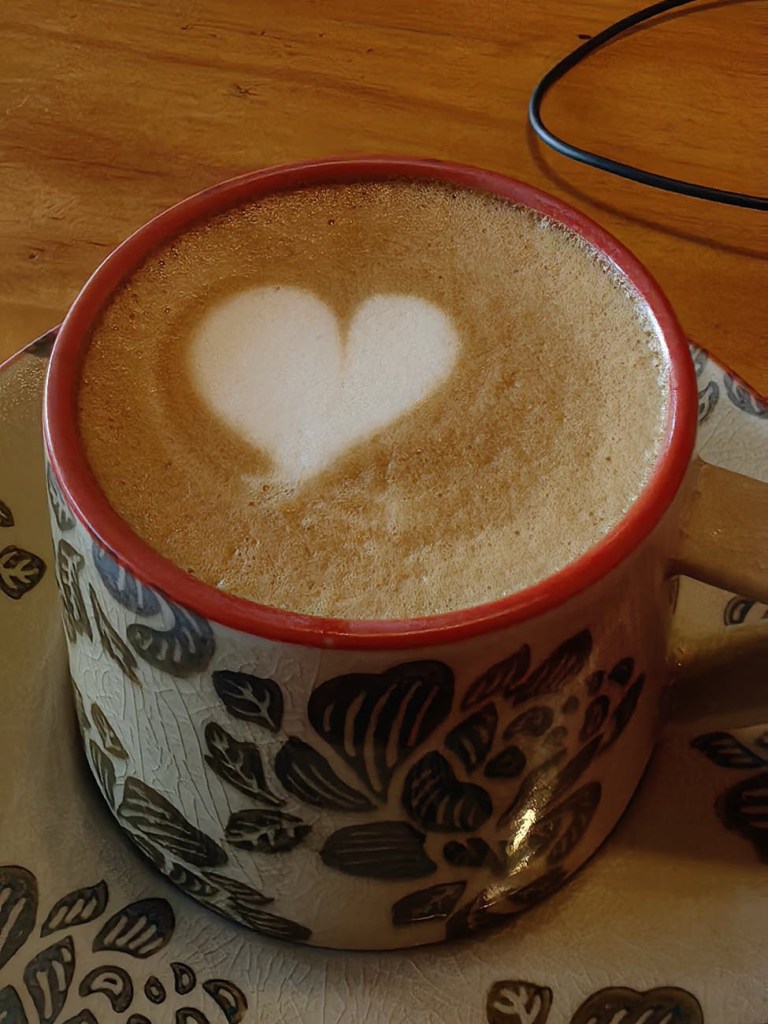
That night, he, his friend, his brother, and I went to the coffee shop. On the way there, he reached up and held the car’s headliner so it wouldn’t hit my head. At the coffee shop, he asked me all kinds of questions, while the other two boys remained silent.
By the time I got home, I knew—this was the guy for me.
It was a warm, sunny Friday afternoon, and I rode in my dad’s minivan as we headed to the cottage. The drive was always something I looked forward to. Along the way, we stopped at an old gas station we visited every trip. Inside, a whole row of candy lined the shelves, and my dad would let me pick out a handful (stash)—enough to last the whole weekend.
Arriving at the cottage felt like coming home. It was my favorite place growing up, filled with memories and simple joys. My dad had set up a room with a set of bunk beds and a single twin bed. I always slept on the bottom bunk, perfectly content just to be there.
Our dog, Carmel, loved the cottage as much as we did. She was smart enough to figure out how to open and close the door, though once, she came racing inside, yelping in distress—she had stumbled into a beehive, and her whole face swelled up. It was a sight I’ll never forget.
Fishing with my dad was one of the best parts of our weekends. We were pretty good at catching fish big enough for dinner. My brother, on the other hand, somehow always managed to hook a duck, old fishing line, or a turtle instead.
On Saturdays, we’d spend hours out on the boat as a family, cruising up and down the lake, soaking in the beauty of it all. Time seemed to slow down out there, the sun sparkling on the water, and the hum of the boat.
Before I knew it, Sunday would arrive, and it was time to clean up and head home. I never wanted to leave, but I knew another weekend at the cottage was always just around the corner.
Those were some of the best days of my life, and I’ll always be grateful for the memories.
In fifth grade, she had a tormentor. Every day, he found a new way to break her down, and our teacher either ignored it or silently encouraged it.
His favorite trick was cruel in its simplicity. He would pour water onto his chair, then raise his hand, all wide-eyed innocence, and say, She did it. Without fail, the teacher would turn to me, sigh, and send us both into the hallway to “work it out.”
But there was no working it out. The moment they were alone, he unleashed his anger. He would tower over her, his voice a low, venomous hiss at first—then louder, crueler.
“You’re worthless.”
“No one likes you.”
Expletive. Another expletive. Then another.
She wanted to fight back, to scream, to defend myself. But she didn’t. Instead, she escaped the only way she could—by leaving her body, drifting somewhere far away where his words couldn’t reach me.
Day after day, it happened. And each time, it felt worse, as if his words were burrowing deeper into her skin, carving out pieces of her she’d never get back.
Then, one day, something changed.
A teacher—one who saw what others didn’t—came walking down the hall. She was like a superhero in that moment, her presence cutting through the storm she had been weathering alone. She stepped in, listened, and finally, finally put an end to it.
She didn’t know how long it took before the torment stopped. She only know the relief of it being over.
Even now, all these years later, she still remembers the boy. The teacher who didn’t see. And the one who finally did.
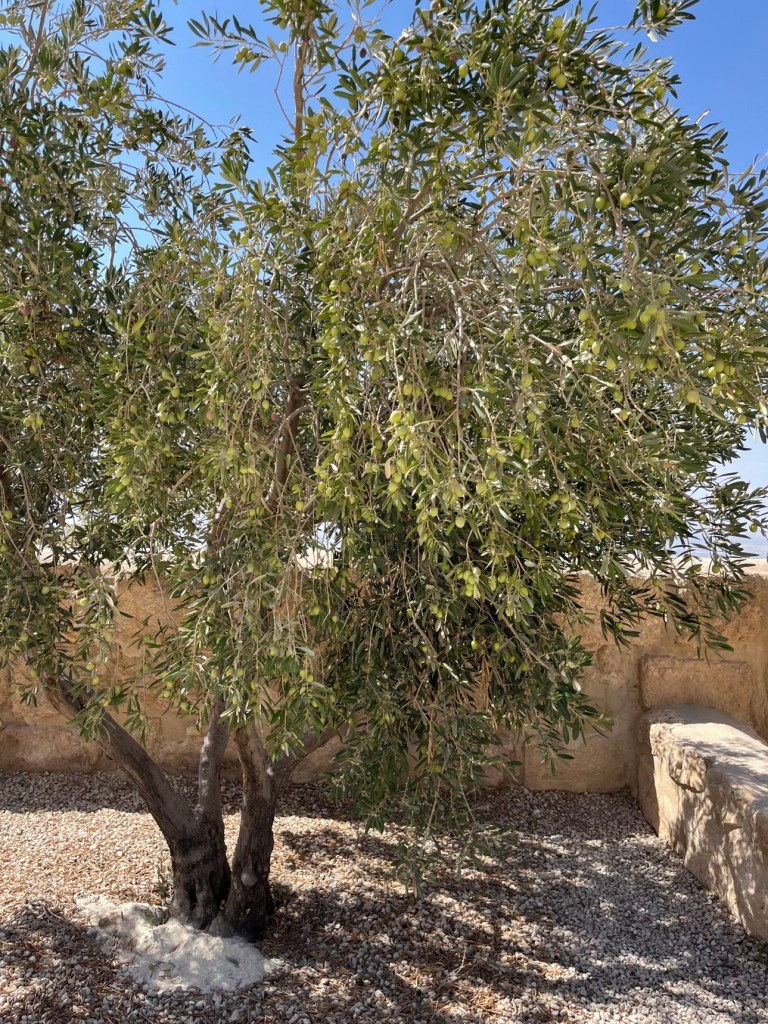
Isaac sat beneath the sprawling branches of an olive tree, a shadow of doubt clouding his youthful face. The echo of the reverberation he had endured tree in his mind, a constant reminder of his pain. Yet, as he glanced toward Joshua and Yuri, whose laughter drifted like soft melodies, a flicker of hope ignited.
Isaac had heard a sermon earlier about Jesus, how He could forgive sins, and that change is possible if one repents and is baptized.
“Do you think I can really change?” Isaac whispered to himself, wrestling with the shame of his past while yearning for a brighter future. The idea of accepting Jesus loomed large, like a beacon guiding him out of the darkness.
“Isaac,” Joshua called gently, breaking the boy’s daydreaming. “Come join us. What’s your heart telling you?”
With hesitant steps, Isaac approached, his hands trembling slightly. “I—I want to believe I can be different. But what if I’m not strong enough?” His voice cracked with vulnerability.
“Strength isn’t about never falling,” Yuri chimed in. “It’s about having the courage to stand up again after you’ve fallen. You’ve shown more strength than you realize just by being here with us.”
As night enveloped the desert, they made their way to the Jordan River, the moonlight shimmering like silken threads on the water’s surface. Joshua stood beside Isaac, sensing the palpable tension radiating from him.
“Close your eyes, Isaac,” Joshua instructed gently, placing a reassuring hand on his shoulder. “This is a moment to let go of your past and embrace a new beginning.”
With a deep breath, Isaac stepped into the cool water, the sensation washing over him like a cleansing wave. When Joshua submerged him briefly and then lifted him back into the night air, Isaac gasped, feeling as though he had burst free from the chains of his past.
Afterward, as they gathered on the riverbank, Joshua and Yuri exchanged glances filled with pride and hope.
“Tonight was just the beginning,” Yuri said, a smile brightening his face. “A new chapter awaits you, Isaac. We’ll walk this path together.”
Still catching his breath, Isaac felt a profound sense of belonging wash over him. For the first time, he believed that maybe, just maybe, he could find his way home.
As the last echoes of laughter faded into the cool desert night, Isaac looked at Joshua and Yuri, their faces illuminated by the moon’s silver glow. He sensed a shift within himself—a growing warmth where there had only been doubt and fear. “Thank you,” Isaac said softly, his voice barely above a whisper. “For believing in me… for being here.”
Joshua nodded, the weight of the moment settling around them like a comforting embrace. “It’s our honor, Isaac. We’ve all faced our battles. What matters is that we’re chosen to fight them together.”
Yuri leaned closer, excitement sparkling in his eyes. “You know, the journey ahead won’t always be easy. There will be struggles and times when you might feel lost again. But remember this night, remember what it felt like to let go—because that feeling can carry you through.”
Isaac took in their words, absorbing the lessons woven into each phrase. The river lapped gently at the shore, echoing the promise of renewal. “What if I stumble?” he asked, vulnerability creeping back in.
“Then we’ll help you up,” Joshua assured him, sincerity unwavering in his tone. “We should never walk this road alone. That’s why friendship is such a powerful gift.”
The cool breeze rustled the leaves overhead, but Isaac felt warm—inside and out. It was a new sensation, one he had longed for yet feared to claim. For so long, he thought he had to carry his burdens in silence, hidden away from the world. But here, beneath the vast desert sky, he began to envision sharing his fears and joys.
“What do I do next?” Isaac inquired, determination creeping into his voice.
“Let’s start with your heart,” Yuri replied, looking intently at Isaac. “Share the things that weigh you down. Speak them into the open. When you say them aloud, they lose their power over you.”
With gentle encouragement from his friends, Isaac released the stories that haunted him—the memories of pain, the hurtful words spoken in anger, and the feelings of unworthiness that had shadowed him for too long. Each word fell away from him like stones dropped into the river, one after another, until he found relief in the release.
As he finished, Joshua placed a steady hand on his shoulder. “You’ve taken a brave step tonight. You’ve faced the darkness, and now you can embrace the light.”
Yuri nodded enthusiastically. “And remember, you don’t have to look for light alone. We’ll be right here beside you.”
Isaac gazed at their encouraging smiles, gratitude swelling in his chest. A sense of belonging wrapped around him, warm and comforting, like a blanket on a cold night. He felt hopeful about his place in the world for the first time.
“I want to help others, too. I want to share what I’ve learned,” Isaac declared, excitement bubbling. “I want to make a difference.”
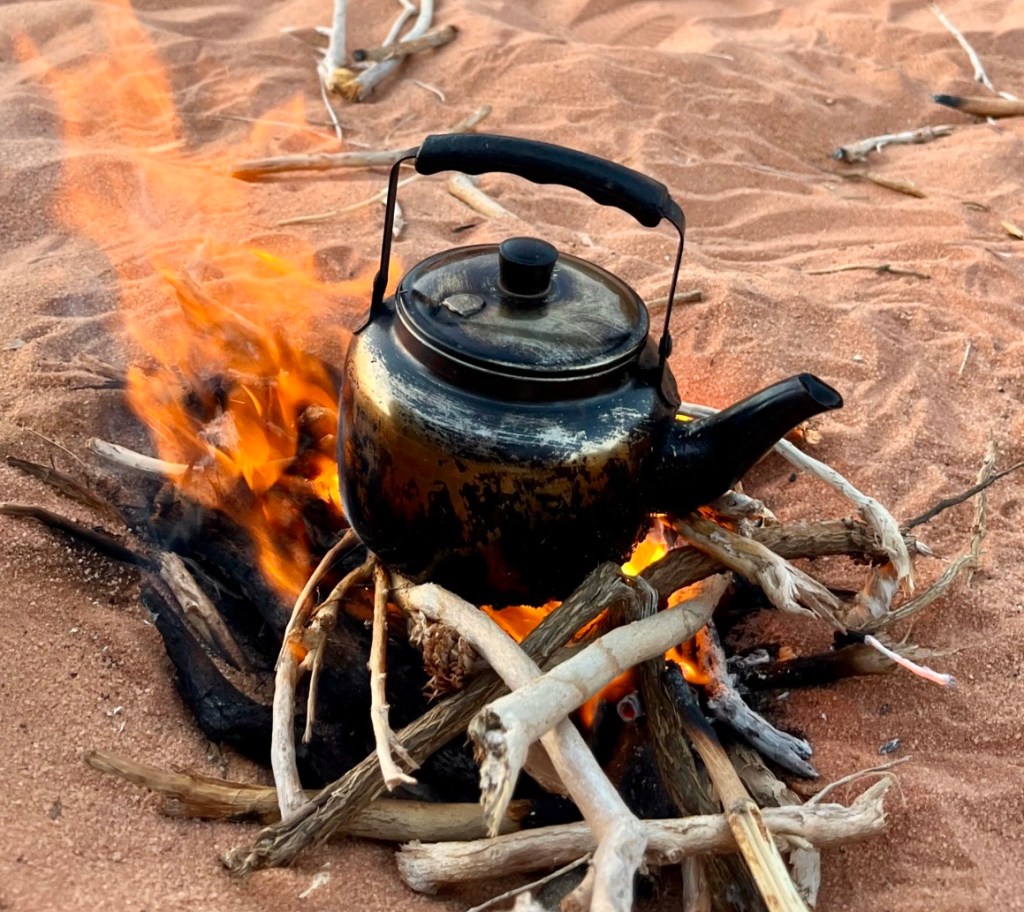
Yuri listened intently as Joshua spoke, the weight of his words settling in the warm desert air. The aroma of chai ma nana (tea) mingled with the metallic scent of freshly forged knives, creating an atmosphere ripe for transformation. “Tell me more about this Christ,” Yuri urged, wiping his hands on his apron as he leaned closer, curiosity shining in his eyes. “How can he bless lives in such difficult times?” Joshua smiled, sensing the hunger for meaning within Yuri. “Christ teaches us to love and serve one another. He encourages us to share what we have, just as I shared today’s fish and tea. In giving, we multiply our blessings. When we walk in love, we create a community where no one goes hungry.” Yuri nodded slowly, absorbing the message. “But it’s hard to believe such things when survival is our daily struggle. How can faith change my reality?” “Faith is not a shield against hardship,” Joshua explained. “It’s the strength that helps you endure it. When you believe in something greater than yourself, you find support in those around you. We can build a community that thrives, where each person’s needs are met because we stand together, united in love and hope.” Yuri felt a stirring within him, a flicker of hope igniting in his heart. “Could it be possible? To feed everyone? To lift each other up?” “Absolutely,” Joshua replied, his voice steady and full of conviction. “With faith and action, miracles unfold. Let’s gather your neighbors, share the chai ma nana, and extend the invitation to come together. We can start small, but unity has the power to grow.” Inspired by Joshua’s vision, Yuri agreed. They spent the afternoon preparing the tent, inviting neighbors, and sharing stories. As people gathered, Yuri witnessed the magic of community in action. Laughter echoed, and as more hands joined in, they all contributed a little—some brought khubz (bread), others lent their voices to songs. As the sun dipped low, casting a golden hue over the gathering, Yuri felt overwhelmed with gratitude. It was as if the blessings multiplied before his eyes, leaving behind disbelief and filling the emptiness of his heart. After sharing food, Joshua spoke once more. “You see, my friends, we emulate Christ’s love through kindness and charity. Let us continue this journey together and inspire each other.” Yuri, now beaming with newfound purpose, turned to Joshua. “I want to know more about this faith. Show me how to live it out. Together, we can ensure that no one here has to struggle alone.” And so began a new chapter—not only for Yuri and his family but for the entire village. They learned that even the harshest desert could flourish with life through unity, love, and faith. Joshua had ignited a flame within them, a reminder that blessings are often found when shared. As the sun dipped below the horizon, painting the desert sky in hues of orange and purple, Joshua and Yuri sat cross-legged on the cool, hard ground, a small clay teapot nestled between them. The aroma of chai ma nana wafted through the air as they prepared their evening ritual, an act of peace and shared tradition that transcended their troubled pasts. As Joshua poured the chai ma nana, he recounted stories of the ancient trade routes that once crisscrossed the desert, drawing visitors from distant lands. Each steeped cup symbolized honor and respect, a testament to their shared heritage. “This chai ma nana,” Joshua smiled, raising his cup in salute, “is a reminder that no matter how far we wander, there’s always a place that welcomes us back.”
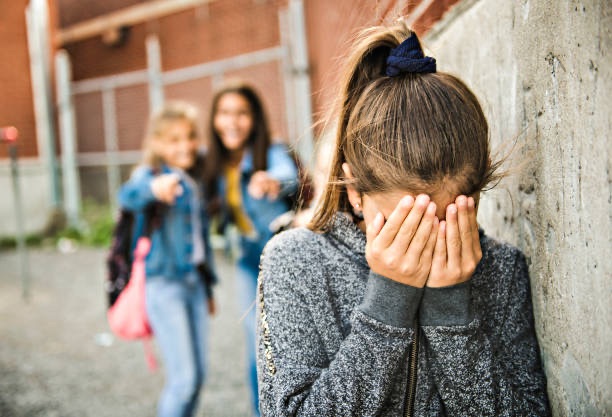
It was a typical day on the playground—until it wasn’t. She was in fifth grade when it happened. Sent inside for reasons she couldn’t remember, she found herself in the empty classroom with four other children. Pam, the ringleader, stood at the center, commanding the others like puppets on strings. The others weren’t much more than followers—silent sheep, complicit in their cruelty. Pam made them surround her, their desks forming a tight circle, trapping her inside. The insults came first, sharp and relentless, each word cutting deeper than the last. Then came the tugging—at her dress and hair—minor violations that quickly escalated. They shoved her, passing her from one to another like a game; there was nothing playful about it. She cried, but no one listened. No one ever did. Loneliness clung to her like a second skin as she tried to retreat and disappear into herself. She wondered how long it would last. Minutes? Hours? In reality, it couldn’t have been more than a few minutes. But to her, it stretched forever, carving itself into her memory like a scar that would never fade. Because some wounds don’t heal, some moments last a lifetime.
It was a cold December night—the 29th, to be exact—when my mother called with the news. She had cancer. The “big C,” as some call it. In that moment, nothing else mattered. Not the fact that we were in the middle of moving. Not the reality that my husband would soon deploy. Everything else could wait. My mother had just been diagnosed with pancreatic cancer.
I gathered my family without hesitation, and we headed to her house. There was no time to dwell; we had things to do. My mother, always embracing life, created a bucket list—her “last dying wishes.” Some requests were simple: Graeter’s ice cream, dinner at Applebee’s, and one last visit to see her mother. They weren’t grand or extravagant, but they meant the world to her.
Each time we set out to fulfill one of her wishes, she would chuckle with a lightness that defied the weight of her diagnosis. She wasn’t focused on the inevitable. Instead, she was present, savoring every moment, every laugh, every bite of ice cream. Running from place to place, checking off her list, wasn’t about the destinations but the journey. It was about love, family, and making memories in the time she had left.
My mother was dying. We all knew it. But if you had asked her, you might not have been so sure.
Because everything—absolutely everything—was her last dying wish.
She wanted Applebee’s that night. “This might be my last dying wish,” she said, her eyes twinkling. We all laughed, knowing full well that tomorrow there would be another. And there was. Ice cream from Graeter’s. “Now this,” she declared between bites, “is really my last dying wish.”
We laughed so hard that night. My mom, frail but still full of mischief, recorded a message on my phone.
“I just want you to know how proud I am of you.”
Her voice was steady, warm, hers. I saved it.
A week later, my phone rang.
It was her.
But this time, her voice was weak. Different.
“It won’t be long now,” she said.
“I had to call. I had to say goodbye.”
My throat tightened. I wanted to be strong for her, but the tears betrayed me.
“I love you,” I said through sobs.
And then she was gone. Not yet in body, but in a way that mattered. The next call I got was from the hospice nurse.
“It’s time.”
I stayed on the phone as the nurse held it to her ear.
I could feel it. Jesus was there. Standing beside her. Ready.
“It’s okay, Mom.” I whispered. “You can go.”
And then she did.
I knew I would see her again.
But I missed her now.
And saying goodbye is one of the hardest things to do in life.
I gasped as the weight of it hit me. The air left my lungs. Tears spilled over in waves.
I knew I would see her again.
But I missed her now.
Saying goodbye is one of the hardest things to do in life.
The ring was never just jewelry. It was my grandmother’s—a simple gold band, worn soft with time, a quiet witness to a lifetime of love, loss, and everything in between. It wasn’t extravagant, but it was hers, and that made it priceless. When she grew older, she passed it to my mother. No ceremony, no long conversation. Just a quiet exchange, the way heirlooms are sometimes passed—not with words, but with the weight of history. My mother wore it the way my grandmother had, twisting it absentmindedly, the metal thinning further each year, as the warmth of her hands her years, her life went on. It witnessed decades of love and loss and everything in between. Then my mother got sick. In those final, fragile days, she gave the ring to my sister. Maybe it was always meant for her. Perhaps it was just the way things unfolded in the haze of loss. I never questioned it. We were losing her—that was all that mattered. I don’t remember the exact moment she gave the ring to my sister. Maybe because everything in those final days blurred together- the hospice room smelled like antiseptic and fading hope. There were whispered conversations I wasn’t ready to have; it was the weight of impending loss pressing down, choking the air from my lungs. Right before she died, the calls started. My aunt. My cousins. Every day. Not to ask how I was coping, not to offer comfort. Just to ask about the ring. “Where is it?” “Who has it?” “I want it back” “It belongs to the family.” I told them the truth. Over and over. I had no control; my mother had given it to my sister, and I was trying to hold myself together. And right after the funeral, before I had time to process that loss, before the funeral flowers withered, they began calling again. Not to check on me, but only to ask about the ring once more. They said the ring belonged to the family, as if my mother and sister were not part of the family. As if my grief were an inconvenience. A piece of gold mattered more than I had just watched my mother die. They didn’t care. Then, when my sister died, she was gone. Just like my mother. And the ring? I haven’t seen it since. I don’t know where it is. I don’t know who has it now. When my grandmother passed, they made sure I knew—I was no longer welcome. There was no official announcement, no outright words, just silence. No invitation to her funeral. No acknowledgment that I was grieving, too. Just absence. Just rejection. I still do not know any information about the ring, but I do know this—whatever power they thought that ring held; it was never worth the damage it caused. I wish they had understood. I wish they had seen me. Seen my grief. Seen how little control I had over any of it. But they didn’t. And maybe, after everything, the real loss wasn’t the ring. It was them.



 Sandy’s Stories and Tales